Selecting the Appropriate Senior Living Option: Understanding the Differences Between Senior Care, Memory Care, and Assisted Living
Navigating the landscape of senior living can be challenging. Families often find themselves presented with various options, each tailored to different needs. Understanding the distinctions between senior care, memory care, and assisted living is crucial. Each type of care offers unique services and support levels. As families assess their loved ones' specific requirements, it becomes essential to weigh the options carefully. What factors should guide this significant decision?
Grasping Senior Care: An Summary
Senior care includes a breadth of services and living accommodations intended to support the elderly as their needs change. This sector features various options, such as independent living, assisted living, and nursing homes, each catering to diverse levels of care and personal preferences. Independent living permits seniors to maintain autonomy while accessing communal amenities. Assisted living offers additional support with daily activities, such as bathing and medication management, while still encouraging independence.
Nursing homes offer extensive medical care for those with significant health needs. In addition to these conventional choices, elderly care also includes residential care services, where caretakers support daily living tasks, allowing seniors to stay in the familiarity of their personal residences. Recognizing these differences is crucial for family members and individuals searching for the ideal environment for their elderly relatives, ensuring that the chosen path fits with their individual needs and personal preferences.
Examining Memory Care: Tailored Support for Memory-Related Conditions
What options are available for individuals facing cognitive challenges? Memory care communities provide dedicated services designed to cater to the unique needs of those with diagnoses such as Alzheimer's disease and other forms of dementia. These environments provide well-planned daily patterns that support cognitive engagement and emotional well-being. Personnel are typically educated in specific techniques to address difficult conduct and promote social interaction among residents.
Memory care communities typically feature secure environments to maintain safety while allowing residents to navigate their surroundings. Individualized care plans are created to accommodate individual needs, concentrating on daily living activities and therapeutic interventions. Additionally, memory care programs often include brain stimulation programs, art therapy, and physical exercises designed to boost mental functioning.
Assisted Living: Combining Independence with Support
Assisted living delivers a distinctive method for senior care by promoting independence while providing essential support. Residents can benefit from personal care services adapted to their personal needs, permitting them to maintain their autonomy. This balance cultivates a sense of dignity and elevates the general quality of life for seniors.
Freedom With Care
Numerous people looking for a helpful living environment discover that assisted living provides a ideal balance between independence and necessary assistance. In assisted living communities, residents preserve their autonomy while receiving individualized support that improves their quality of life. This model enables seniors to take part in daily activities, pursue hobbies, and socialize while having access to help as needed. Safety features, such as emergency call systems and staff availability, deliver reassurance without compromising personal freedom. This blend of independence and assistance cultivates a sense of dignity and self-worth among residents. Finally, assisted living represents an ideal option for those who want to enjoy their later years with both the freedom to live independently and the support to navigate daily challenges.
Personal Care Services Offered
In the domain of senior living, personal care services serve a crucial function in elevating the quality of life for residents in assisted living communities. These services are developed to support individuals while encouraging their independence. Usually, they include assistance with daily activities such as bathing, dressing, and grooming, ensuring that residents retain personal hygiene and dignity. Medication management is another vital service, helping residents comply with prescribed regimens safely. Furthermore, many communities offer meal preparation and dietary support, accommodating specific nutritional needs. Social engagement is also encouraged through organized activities, cultivating connections among residents. By providing these individualized personal care services, assisted living communities achieve equilibrium between support and autonomy, empowering associated article seniors to prosper in a nurturing environment.
Primary Differences Between Senior Care, Assisted Living, and Memory Care
Navigating the landscape of senior living options can be challenging, specifically when determining the differences between senior care, memory care, and assisted living. Senior care usually encompasses a wide range of services created to support older adults with daily living tasks, including personal care, medication management, and companionship. On the other hand, memory care particularly caters to individuals with Alzheimer's disease or other forms of dementia, delivering specialized programs and a secure environment to ensure safety and cognitive engagement.
Assisted living represents a middle ground, providing a blend of both senior support and a level of independence. Residents in assisted living communities obtain support with daily activities while still maintaining their privacy and autonomy. Understanding these distinctions is essential for families pursuing the most suitable living arrangement for their loved ones, as each option addresses different needs and levels of support.
Considerations to Evaluate When Picking a Senior Living Alternative
When choosing a senior living solution, it is essential to assess care needs and lifestyle preferences. Recognizing the level of assistance required can significantly influence the decision-making process. Additionally, aligning living arrangements with personal interests and social activities can increase overall well-being.
Care Needs Assessment
How do families guarantee they opt for the most suitable senior living choice for their elderly relatives? Performing a complete care needs review is critical. This process involves examining the individual's physical health, cognitive functions, and emotional wellness. Families should assess the level of assistance required for daily activities, such as bathing, dressing, and medication management. Understanding any specific medical conditions or mobility concerns is also essential, as these factors can substantially influence the option between senior care, memory care, or assisted living. In addition, families should assess the individual's social needs and preferences, as these influence overall happiness and quality of life. By carefully analyzing care needs, families can make sound decisions that best help their elderly relatives.
Personal Lifestyle Preferences
Upon assessing care needs, it is crucial for families to think about lifestyle preferences that can substantially impact an individual's happiness in a senior living environment. Elements such as social activities, dining options, and community engagement play a vital role in overall satisfaction. Preferences for a vibrant social life or a quieter, more peaceful setting should guide the decision-making process. Additionally, the ability to pursue hobbies, access to fitness programs, and opportunities for lifelong learning can enrich daily living experiences. Families should think about whether the environment fosters independence or offers more structured support, as this can influence the resident's quality of life. Ultimately, aligning lifestyle preferences with available options is crucial for ensuring a satisfying senior living experience.
Making the Transition: Suggestions for Loved Ones and Family
What measures can families implement to secure a smooth transition to senior living? First, open communication is essential. Family members should participate in candid conversations about the choice, discussing worries and wishes of the elderly person concerned. It is beneficial to visit potential senior living communities together, allowing the individual to feel a sense of control and involvement in the decision.
Following this, families can support downsizing, organizing belongings, and deciding what to move, which lessens the emotional burden. Setting up the new living space in advance, making it feel familiar and welcoming, also supports the adjustment.
Creating a routine post-move can provide stability, and also encouraging regular visits from family and friends to foster connection. Lastly, families should remain patient and supportive, recognizing that the adjustment period varies for everyone. These steps can greatly ease the shift into senior living for both the individual and their loved ones.
FAQ
What Costs Come With Each Type of Senior Living?
Pricing for senior living range widely. Elder care generally costs from $2,000 to $4,000 monthly, dementia care can run $5,000 to $7,000, while assisted living averages around $3,000 to $6,000 per month.
How Can I Tell If It's Time for Assisted Living?
Indicators for transitioning to assisted living include difficulty with day-to-day activities, increased isolation, healthcare needs, regular accidents, or the incapacity to administer medications. Family conversations and professional assessments can help with this important decision.
Is It Possible to Have Pets in Senior Living Communities?
Numerous senior living residences do permit pets, appreciating their soothing presence. That said, policies fluctuate greatly between locations, so it is essential for individuals to inquire about specific pet regulations and any accompanying fees or limitations.
What Types of Activities Can You Find in These Communities?
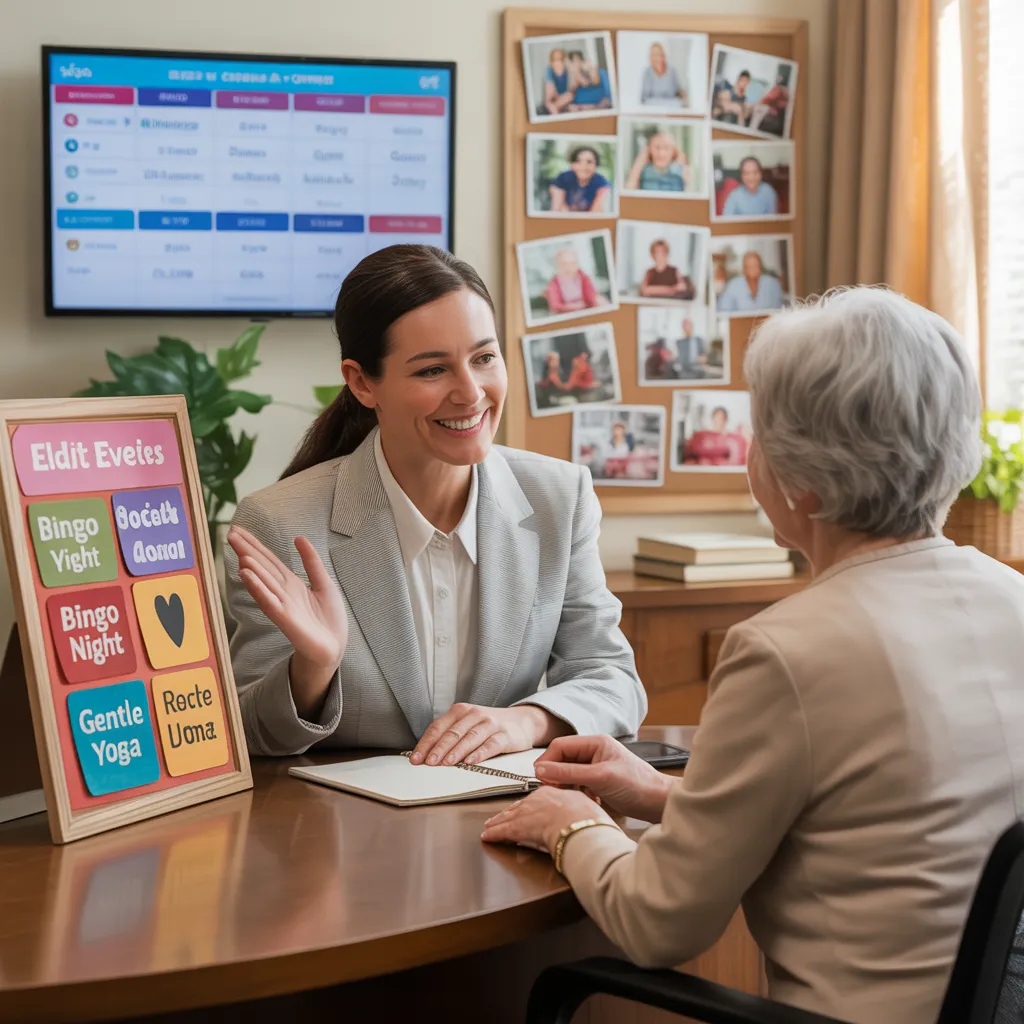
Programs in senior living communities frequently include creative arts, fitness classes, social events, game nights, and educational workshops. These programs work to promote social interaction, physical fitness, and cognitive activity among residents, improving their overall quality of life.
How Can Families Remain Engaged in Their Loved One's Care?
Family members can remain engaged in their loved one's treatment by attending meetings, engaging in activities, sustaining ongoing dialogue with staff, and visiting frequently to provide emotional support and confirm their loved one's needs are being addressed.